4 Weight Vests We Regret Buying (and the One That Delivered)
We spent $500 and nearly two years cycling through vests that ended up in the garage collecting dust. One finally scaled with our training instead of capping it.

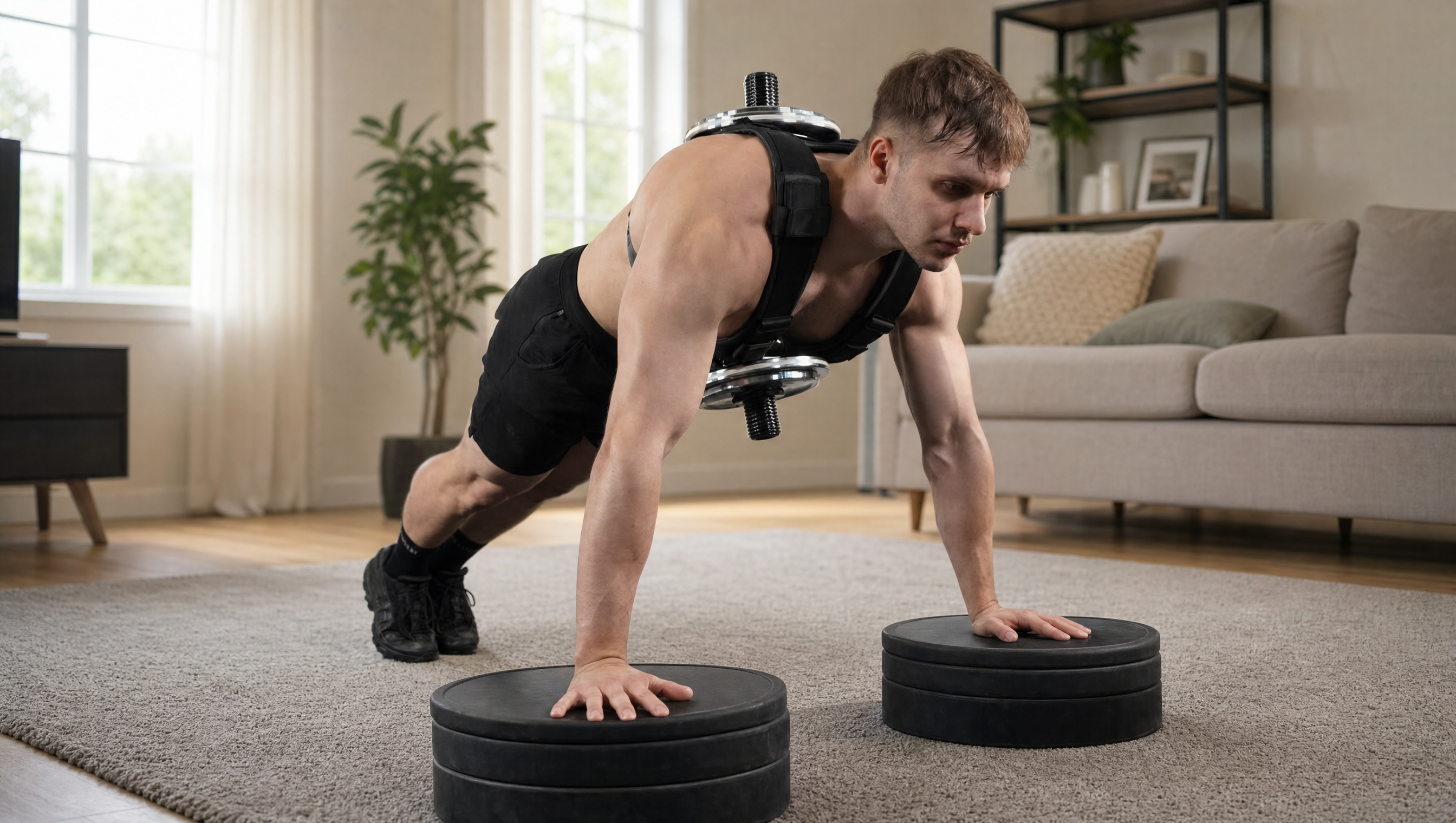
The right vest disappears on your body. The wrong one ends up on a shelf.
If you have ever scrolled through the reviews trying to figure out which weight vest will not fall apart after a month, we have been there.
We spent over $500 and nearly two years cycling through vests that all made the same promise. Most of them ended up collecting dust. The problem was never effort. It was that four of them either capped out at a weight we outgrew or made adding load such a chore that we stopped bothering.
Here are the four we regret, what went wrong with each, and the one vest that finally delivered.
The 4 Vests We Regret Buying
- Sand-filled bags
- 20 lb max
- Velcro closure
We bought this one because it was cheap and had decent reviews. The logic was simple: try weighted calisthenics, upgrade later. The first workout told us everything. During push-ups the sandbags slid forward and bunched near the collarbone, and the Velcro scratched a neck raw by the third set.
The real problem was the ceiling. We outgrew 20 pounds in about two weeks, which is just how fast the body adapts. Suddenly a new vest was needed, and $22 felt a lot less like a deal.
Bottom line: cheap on price, cheaper on experience. Over 150 pounds of bodyweight, you outgrow it in your first month.
- Iron blocks
- 60 lb max
- ~8 lb empty
After the CAP disaster we wanted capacity. The RunMax goes to 60 pounds with removable iron blocks. The capacity is real, the experience is not. Each block sits in its own fabric pocket, so on pull-ups they shift and on dips they clang together like a bag of tools.
Adjusting the weight takes forever. Going from 40 to 50 pounds means pulling blocks, counting them, and reseating them evenly. We timed it once at eight minutes. The empty vest also weighs about 8 pounds, so your 60-pound vest is really 52.
Bottom line: more capacity than a sandbag, but loading is so slow you stop adjusting and train one weight. That defeats the point of progressive overload.
- Two flat plates
- ~30 lb max
- Plates sold separately
The TacTec looks serious, with MOLLE webbing and laser-cut panels. Here is what the product page does not emphasize: the plates are sold separately. The plates that fit run $45 to $70 each and you need two, so the $200 vest is really a $290 to $340 setup. For 30 pounds.
You also cannot micro-load. It is one plate, two plates, or nothing, with no 2.5-pound steps in between. You jump from 15 to 30 and hope your joints agree.
Bottom line: looks incredible, performs like a $340 way to strap 30 pounds to your chest. Fine for a once-a-year Murph, a bottleneck for building real strength.
- Thin steel weights
- 35 lb max
- Pocket loading
Hyperwear makes a genuinely well-designed product. The fabric is soft, the fit is snug, and it moves with your body better than anything else we tried. Then we looked at the numbers. The PRO maxes out at 35 pounds using thin steel weights that slide into individual pockets, so adding 10 pounds means inserting a dozen little weights one at a time.
At more than $200 for 35 pounds of capacity, you are paying roughly $5.70 per pound of potential resistance. Beautiful build, wrong weight class for anyone chasing progressive overload.
Bottom line: the best option if you only need 20 pounds for walking or light running. For heavy calisthenics you hit the ceiling within a month.
We almost gave up and went back to a dip belt. Then a training partner would not stop talking about a vest that loads the same plates already on your rack.
Kensui EZ-VEST: The Vest We Stopped Replacing
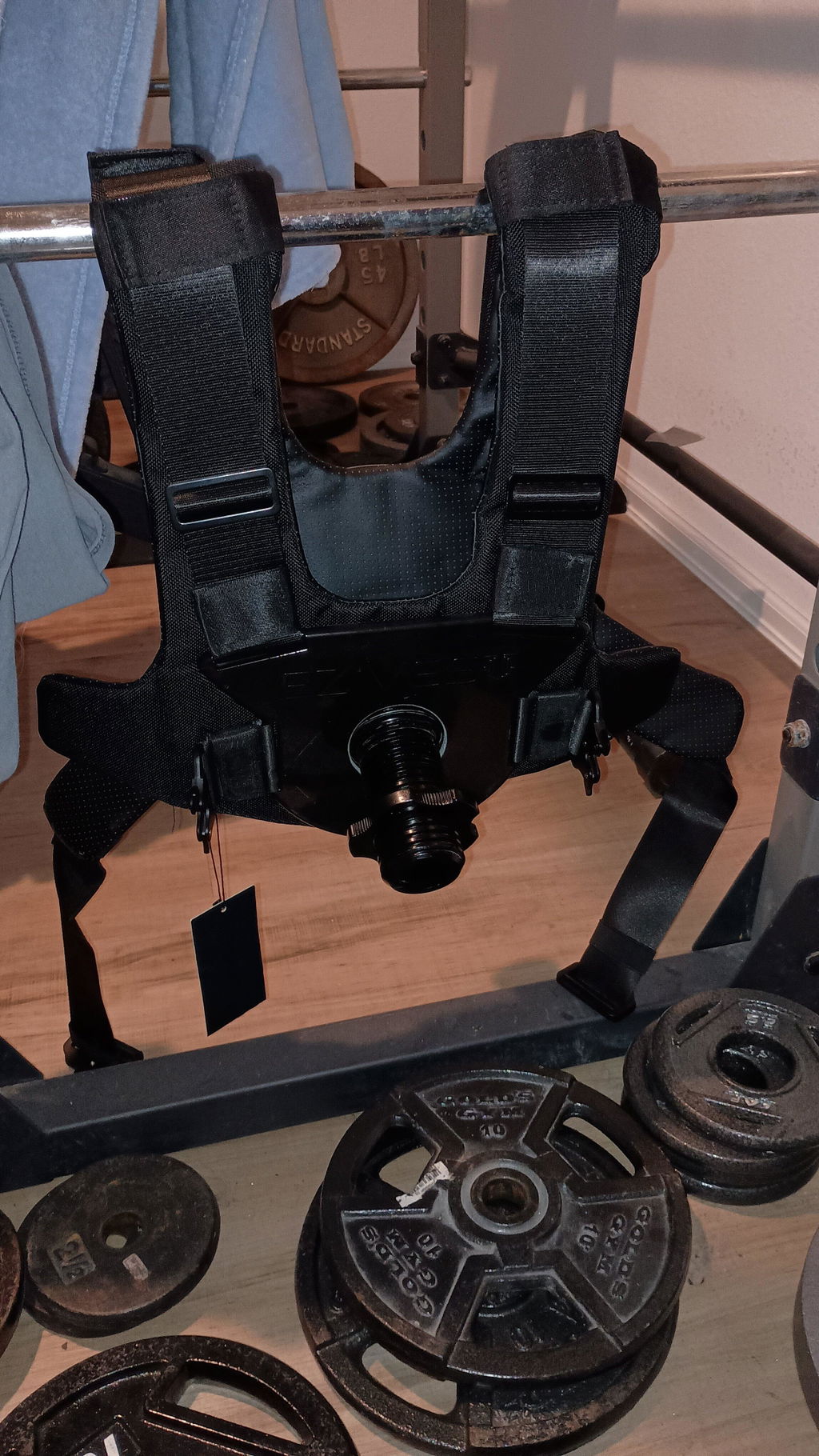
What We RecommendThe first thing we noticed is that it loads standard Olympic weight plates. Not sand, not iron blocks, not proprietary plates. The same plates sitting on your squat rack right now. That single design choice solves every problem the other four created.
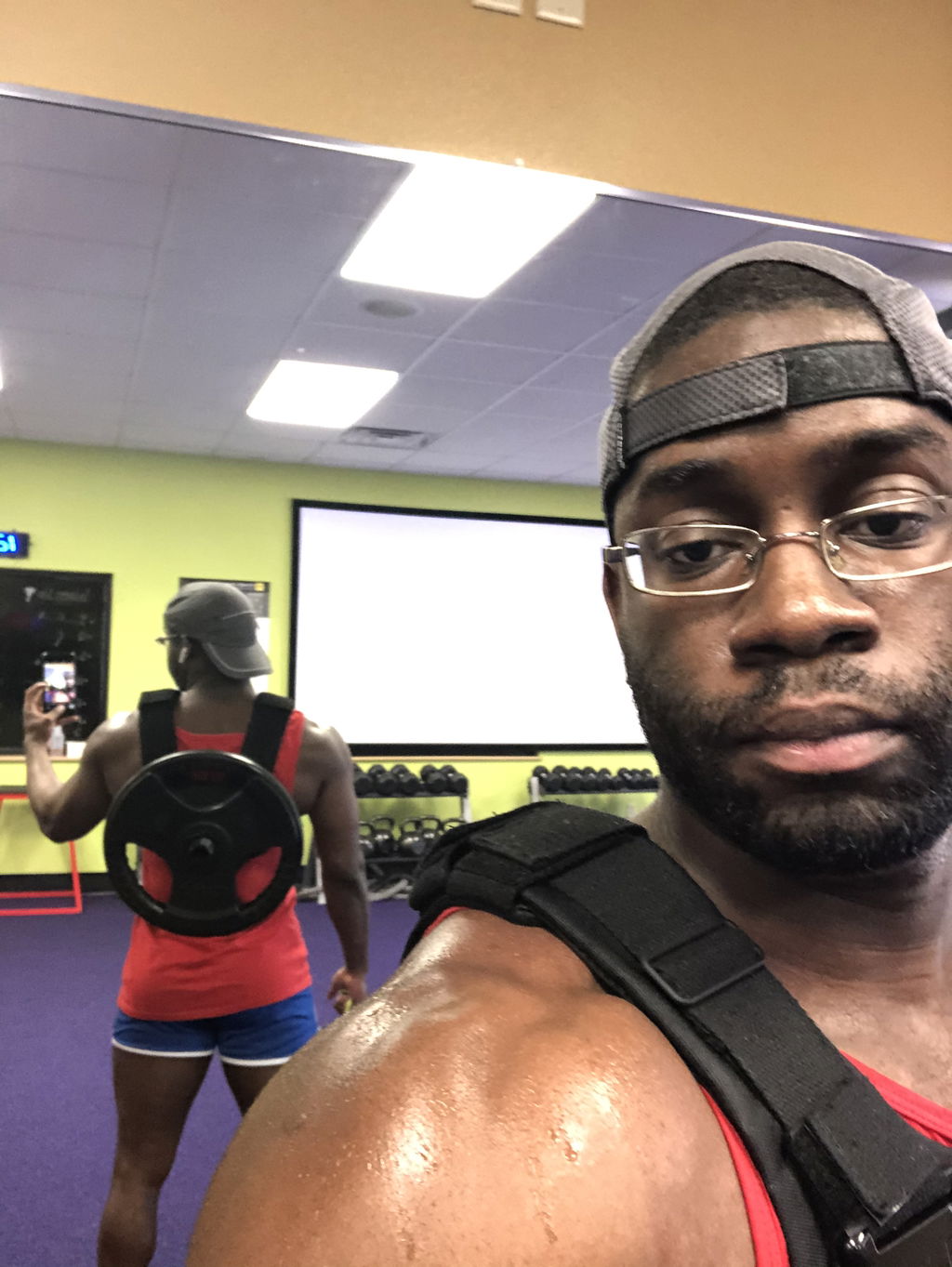

Want to add 2.5 pounds? Slide on a fractional plate. Want to go heavy? Stack full-size plates. The aluminum frame holds them in place with collars, so there is no shifting, no rattling, and no eight-minute loading session. The capacity is what sold us. It goes up to 300 pounds, so you never outgrow it, and the engineering that supports that much makes 50 or 80 pounds feel rock solid.
Covered by Men's Health, GQ, and BarBend.
Bottom line: the only vest we have not replaced. It scaled with our strength instead of capping it, and it uses plates we already owned.
How They Compare
| Vest | Price | Max Load | Weight Type | Micro-Load? |
|---|---|---|---|---|
| CAP Barbell | $22 | 20 lb | Sand bags | No |
| RunMax Pro | ~$90 | 60 lb | Iron blocks | No |
| 5.11 TacTec | $200+ | ~30 lb | Two flat plates | No |
| Hyperwear PRO | $200+ | 35 lb | Steel pockets | Slow |
| Kensui EZ-VEST | From $99 | Up to 300 lb | Any Olympic plate | Yes, 2.5 lb |
The Verdict
The Kensui EZ-VEST was the only vest that solved every problem the other four created. If you are serious about progressive overload for calisthenics, rucking, or any bodyweight training, stop cycling through vests that cap your potential.
"By the third week I had added 35 pounds to my weighted pull-up without trying to PR. The progressive overload just happened."
Verified buyer · kensui.com
Heads up on stock: the entry Lite ($99) is in stock and is plenty for most lifters. The 300-pound Max ($299) sells out and restocks, so use the notify option if it is out when you look.
Stop cycling through vests that cap your potential.
Get the EZ-VEST100-day money-back guarantee · From $99 · Loads plates you already own
Common Questions
Does it use the plates I already own?
Yes. The EZ-VEST loads standard 1 inch and Olympic 2 inch plates, so there are no proprietary weights to buy.
How heavy can it go?
Up to 300 pounds on the Max, which is far beyond where sand and block vests cap out. You can also micro-load in 2.5-pound steps.
Is it comfortable for pull-ups and push-ups?
The plates load front and back to keep the weight on your midline, and the frame holds them still so nothing shifts or bruises your collarbone.
Which model should I start with?
The Lite at $99 covers most lifters. Step up to the Pro or Max if you want more capacity headroom for heavy weighted calisthenics.
Prices, capacities, and availability are accurate as of publication and may change. Always confirm current details on kensui.com.
