Olympic plates are the most versatile weight in any home gym. Most lifters leave them on a rack between barbell sets. Here's every training tool that runs on the plates you already have.

If you own a barbell, you own Olympic plates. Those plates represent the single biggest weight investment in your gym. Yet for most lifters, they sit idle between bench press and squat sessions.
What if every piece of equipment in your gym ran on the same weight? One set of plates powering your dumbbells, kettlebells, weight vest, tibialis trainer, mace, and neck harness. No proprietary weight systems. No buying dedicated weights for every new tool you add.
That's the pitch behind plate-loaded accessories. You buy the handle, sleeve, or frame once. Then you load it with whatever plates you already have. This guide covers every category where plate-loaded options exist, how they compare to traditional alternatives, and who should consider each one.
The home dumbbell market is dominated by closed-system designs. Bowflex SelectTech ($400+), PowerBlock ($350+), and NUOBELL ($645+) all share the same limitation: proprietary weight plates with a fixed ceiling. The SelectTech tops out at 52.5 lbs. The NUOBELL maxes at 80. For anyone who outgrows those ranges, the entire system becomes dead weight.
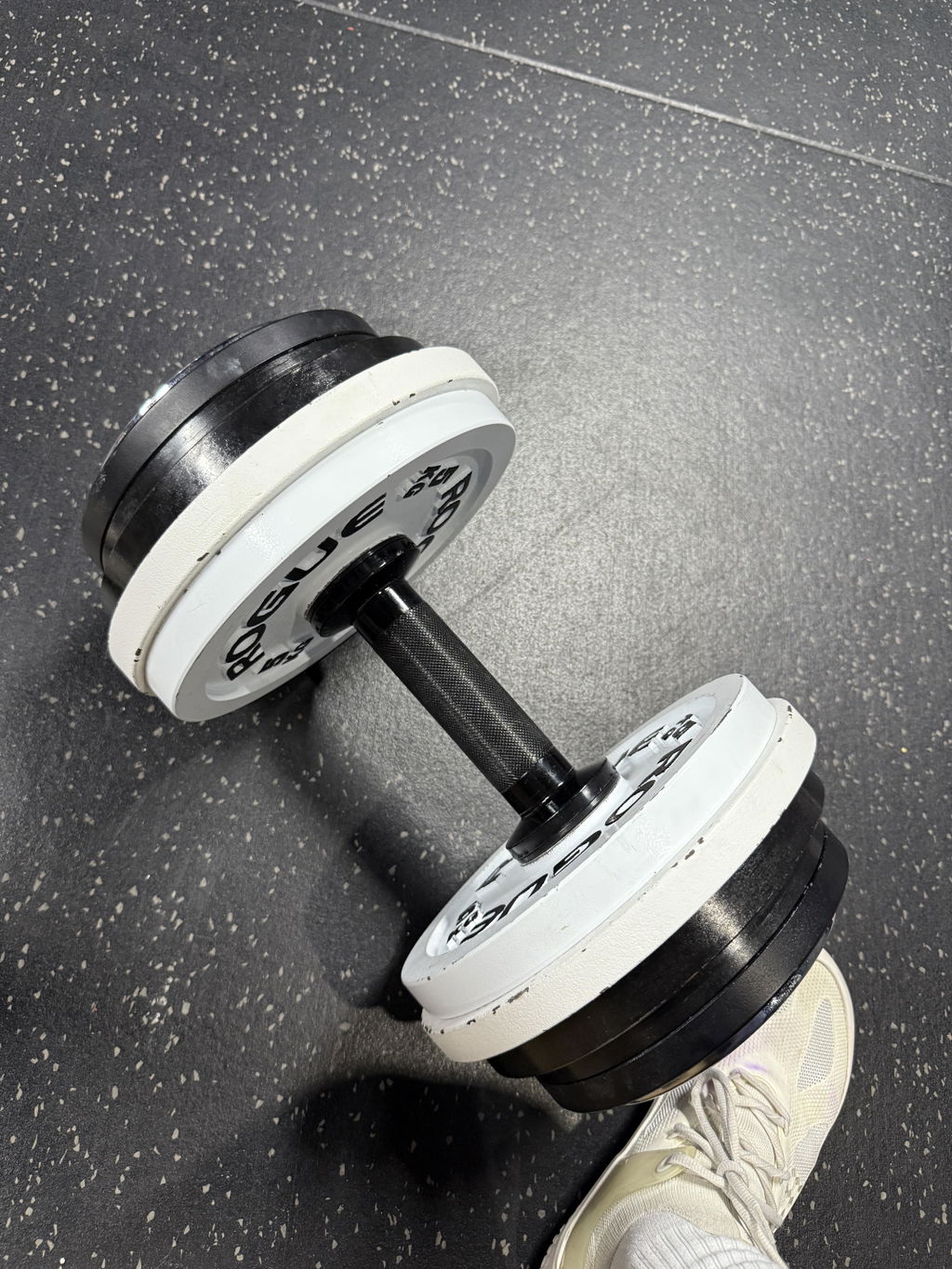
Plate-loaded dumbbell handles flip that model. Instead of buying a sealed unit, you buy the handle and load it with standard or Olympic plates from your rack. No weight cap beyond whatever plates you own. No proprietary add-ons. No second purchase when you get stronger.
The tradeoff is adjustment speed. Dial systems change weight in two seconds. Plate-loaded handles take 10 to 15 seconds per dumbbell. For straight sets, that gap is irrelevant. For drop sets and circuits, it adds up. Every buyer should weigh how much of their training relies on rapid weight changes.
PRO $49/pair (nylon fiberglass, 34mm handle, 140 lb max) · MAX $149/pair (aluminum alloy, 38mm handle, 300 lb max)
Lifters who already own plates and want dumbbell training without buying into a proprietary system. Especially strong lifters who need more than 80 to 90 lbs per hand.
Most adjustable kettlebells follow the same closed-system model as adjustable dumbbells. The Bowflex SelectTech kettlebell ($150+) uses a dial mechanism that caps at 40 lbs. REP Fitness sells a competition-style adjustable for around $130 with removable weight inserts. Both work fine for light to moderate swings, but neither can handle serious progressive overload.
Fixed kettlebells are even more expensive at scale. A quality competition bell runs $1.50 to $2.00 per pound, so building a useful set of three or four sizes (35, 53, 70, 88 lb) costs $350 to $500. That collection also takes up a meaningful footprint on the gym floor.
A plate-loaded kettlebell handle solves both problems. Load it from your existing plate collection, adjust in any increment you have, and store a single handle when you're done. The spring-lock collar keeps plates secure during swings, cleans, and snatches, which matters for a movement pattern where the weight changes direction fast.
PRO $49 (100 lb max) · MAX $129 (220 lb max)
Lifters who want heavy kettlebell work (70+ lbs) without buying multiple fixed bells. Anyone who already owns Olympic plates and doesn't want to invest $350+ in a separate kettlebell collection.
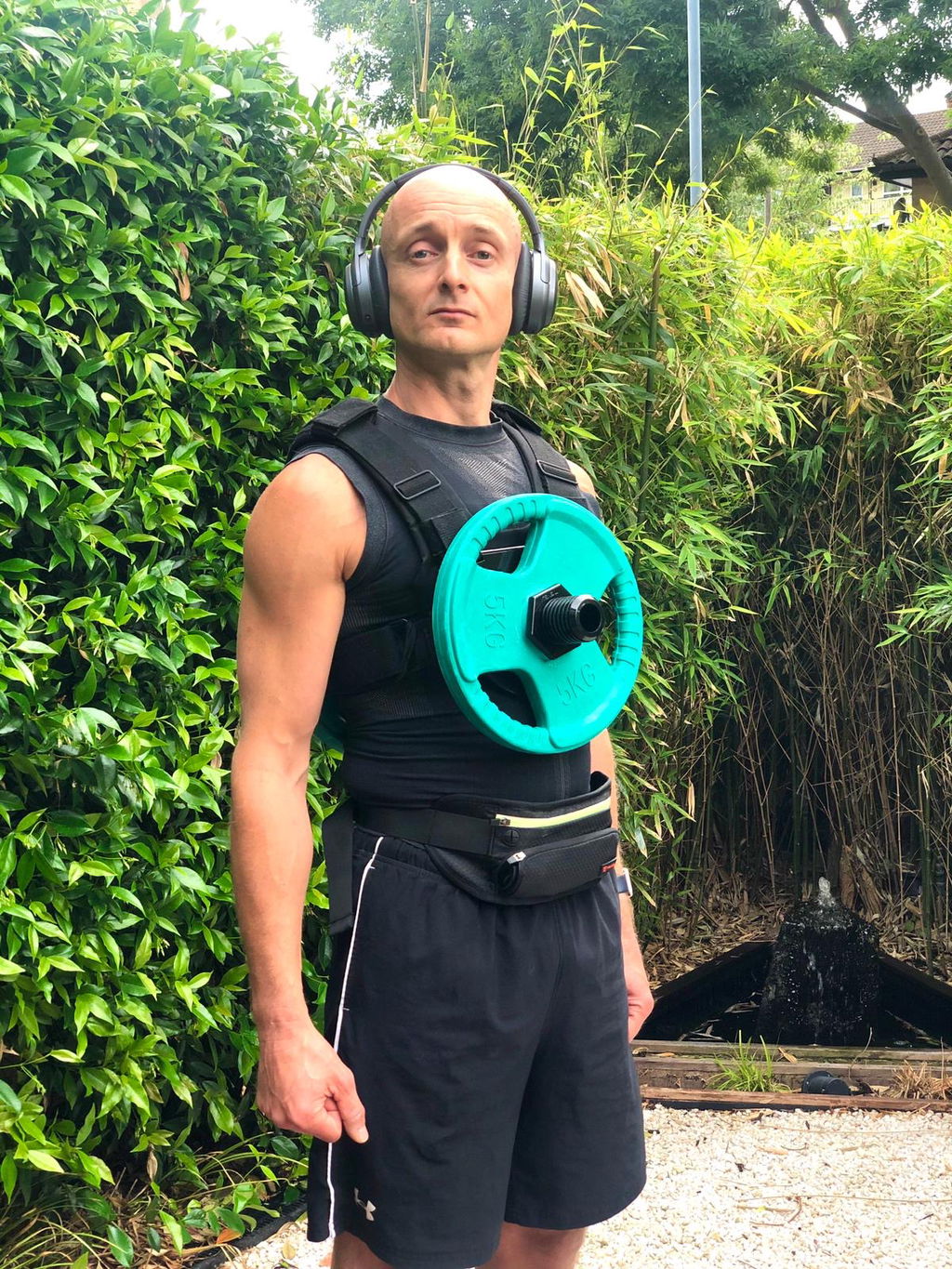
The weight vest market splits into two camps. On one side, fixed-weight vests like the 5.11 TacTec ($200, 20 lb max with proprietary plates), the Rogue Plate Carrier ($195 + plates), and budget options from Condor and ZELUS. These vests use either built-in sand pouches or thin steel plates. Most top out between 20 and 40 lbs, which is enough for bodyweight cardio but not for progressive overload on pull-ups or weighted squats.
On the other side, plate-loaded vests accept the same Olympic plates you already own. Instead of buying a $30 proprietary plate that adds 8 lbs, you grab a 10 or 25 lb plate from your rack. The cost of adding weight is zero. The ceiling is as high as you can stack.
For most recreational vest training (walking, push-ups, light calisthenics), a 20 to 40 lb fixed vest works fine. The plate-loaded option starts to pull ahead when the goal shifts to heavy progressive overload, where adding 5 lbs per week is the entire point of the training.
Lite $99 · Pro $179 · Max $299 (300 lb capacity)
Lifters who want vest training beyond the 20 to 40 lb ceiling. Pull-up progressions, weighted squats, heavy ruck walks, and anyone who already owns Olympic plates and doesn't want proprietary vest weights.
Tibialis training has surged in popularity over the past two years, largely driven by the "knees over toes" movement. Dedicated tib bars sit on the floor and cost $80 to $200. They work, but they're single-purpose and bulky. Machine-based options from brands like the Tib Bar Guy start around $150, and full commercial tib machines run $300 or more.
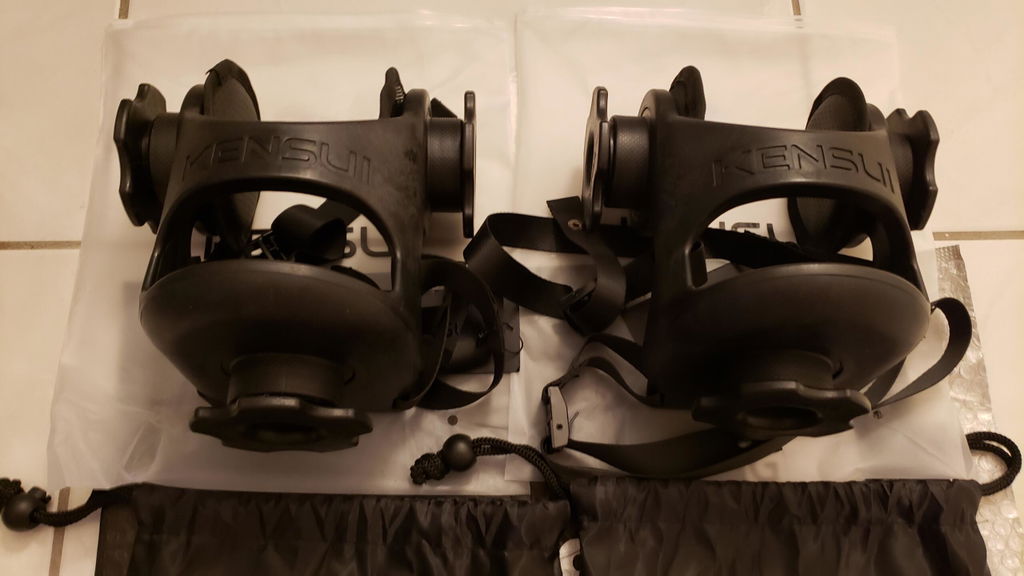
A boot-style trainer straps directly to the foot and loads Olympic plates on a post. The format is more portable and more versatile than a floor bar. It works standing, seated, or hanging from a pull-up bar. The same boot also handles calf raises, so one piece of equipment covers both sides of the lower leg.
The practical limit for most users is 20 to 50 lbs per foot for tibialis raises. Progressive overload in 2.5 to 5 lb increments is key for this muscle group, and plate-loaded designs make small jumps easy without buying specialty micro-plates.
$99 single · $179 pair · 200 lb max per boot
Currently backordered due to demand
Check Availability →Anyone doing dedicated ankle and lower-leg work who wants a compact, plate-loaded option they can take to any gym. Athletes focused on prehab, runners building shin strength, and lifters following KOT-style programming.
Fixed steel maces come in set weights. An Onnit Steel Mace costs $50 to $120 depending on size, and most lifters need three or four (7, 10, 15, 20 lb) for a useful training range. That puts a full collection at $200 to $400. Budget cast-iron options from Amazon run $30 to $50 each but often lack proper knurling and balanced weighting.
The storage problem compounds quickly. Four fixed maces, each three to four feet long, demand meaningful floor or wall space. For a home gym where every square foot counts, dedicating a corner to maces that get used twice a week is a tough sell.
An adjustable mace replaces the entire collection with one handle. Load plates on the head sleeve to set the weight. The plate collar keeps everything locked during 360-degree swings, 10-to-2s, and overhead presses. Start light for warm-up work, then stack plates for heavy rotational training.
PRO $69 (wood handle) · MAX $149 (steel handle)
Currently backordered due to demand
Check Availability →Mace training enthusiasts who don't want to buy and store four separate maces. Fighters, grapplers, and rotational sport athletes. Anyone curious about mace work who doesn't want to commit $200+ to a fixed-weight collection before knowing if they'll stick with it.
Neck training equipment spans a wide price and quality range. At the low end, basic nylon harnesses cost $15 to $40. They work for simple neck curls, but they're limited to one direction of resistance, the strap digs in under load, and progressive overload is clumsy. At the high end, the Iron Neck ($500 to $700) provides 360-degree resistance via a band system. It's an excellent training tool, but it costs more than many home gym setups combined.
A plate-loaded neck helmet sits between those extremes. The helmet distributes load evenly across the skull instead of concentrating it on a narrow strap. Full range of motion for flexion, extension, and lateral work is possible without repositioning. And because it uses Olympic plates, adding 2.5 or 5 lbs per session is as simple as grabbing a change plate.
For most lifters, progressive neck training means adding small increments over months. The ability to fine-tune load with standard plates makes plate-loaded helmets a practical choice at a fraction of the Iron Neck price.
PRO $49 · MAX $129 (200 lb capacity)
Contact sport athletes (football, wrestling, MMA), lifters focused on neck hypertrophy, and anyone who wants progressive neck training without spending $500+ on an Iron Neck.
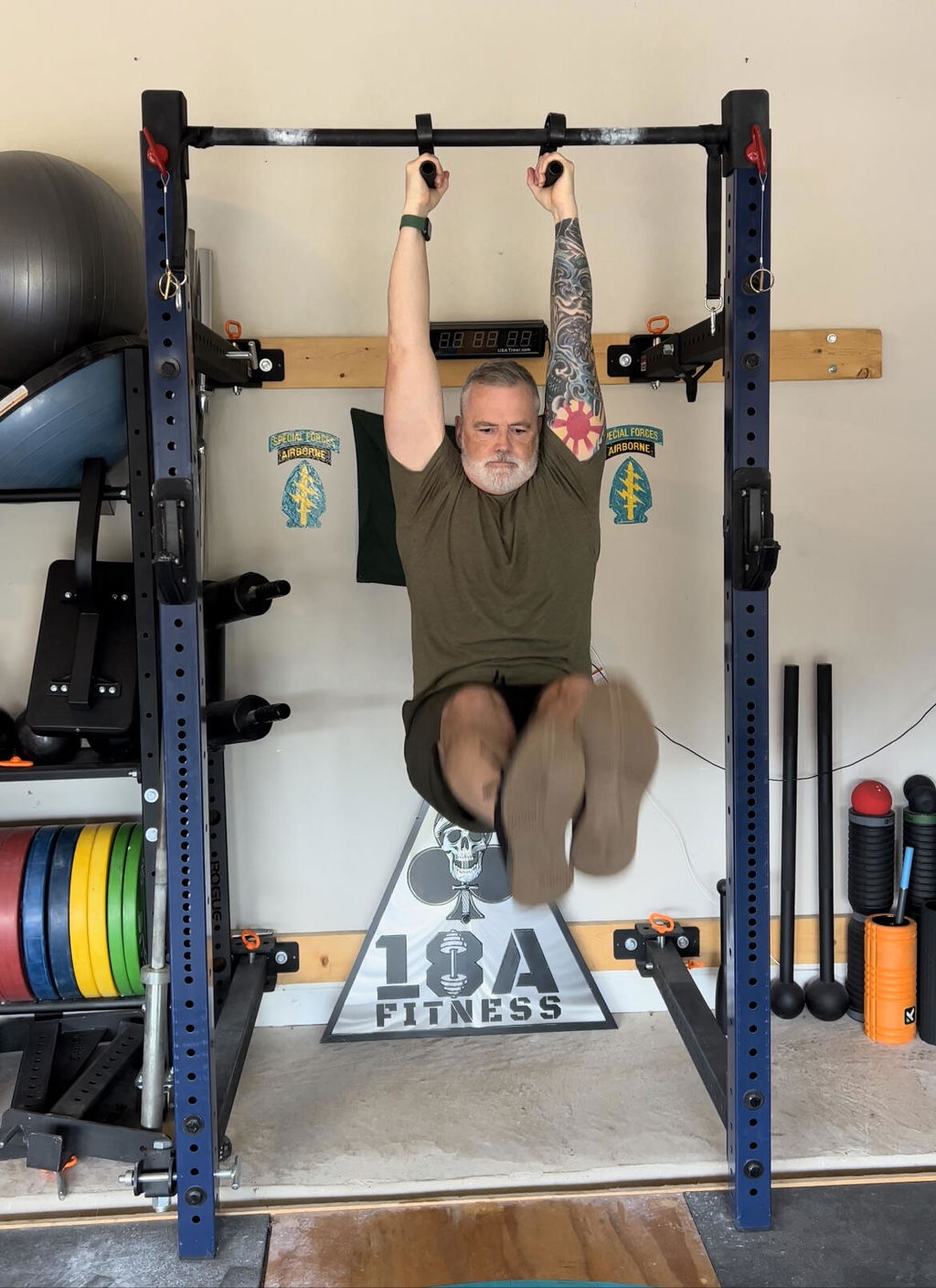
This entry breaks the pattern. The Swissies are not plate-loaded. They're neutral-grip handle attachments that fit over any standard pull-up bar, turning a straight bar into a multi-grip station. They belong in this guide because they complete the home gym picture for anyone already building around a barbell and pull-up bar.
Neutral grip reduces shoulder stress during pull-ups and chin-ups. The same handles work for inverted rows, hanging core drills, and grip-varied training. Comparable neutral-grip attachments from other brands run $20 to $60, but many have lower weight ratings or mounting systems that shift during use.
The Swissies hold 800 lbs. At $29 for the original or $39 for the V2, they're the cheapest item in this guide and one of the simplest. No plates to load, no adjustment needed. Attach, grip, pull.
Original $29/pair · V2 $39/pair · 800 lb rated
Anyone with a doorframe or freestanding pull-up bar who wants additional grip options. Lifters with shoulder issues who benefit from a neutral hand position.
What it costs to equip every category with plate-loaded gear vs. traditional alternatives.
| Category | Plate-Loaded (Entry) | Traditional Equivalent |
|---|---|---|
| Adjustable dumbbells | AdaptaBELL PRO: $49/pair | $350-700 |
| Adjustable kettlebell | EZ-Bell PRO: $49 | $130-350 |
| Weight vest | EZ-VEST Lite: $99 | $150-250 |
| Tibialis/calf trainer | EZ-BOOT: $99 | $80-300 |
| Adjustable mace | EZ-MACE PRO: $69 | $200-400 |
| Neck trainer | EZ-NECK PRO: $49 | $200-700 |
| Pull-up handles | Swissies: $29/pair | $20-60 |
| Total | $443 | $1,130 - $2,760 |
The table tells only half the story. The traditional column assumes dedicated weight for each tool. Proprietary dumbbell plates, proprietary vest plates, three or four fixed kettlebells, three or four fixed maces. Every category carries its own weight cost. With plate-loaded gear, the weight is shared. The same set of Olympic plates powers all seven tools. Buy the weight once, use it everywhere.
Plate-loaded gear makes the most financial and practical sense for three types of buyers:
Plate-loaded accessories do have tradeoffs. Weight changes take longer than dial or selector-pin systems. The handles look industrial, not sleek. And they require owning plates in the first place. Buyers who train at a commercial gym, prefer the fastest possible weight changes, or only need one or two of these categories may find that traditional single-purpose equipment serves them better.
For anyone building or expanding a home gym around a barbell, plate-loaded accessories turn a set of Olympic plates into the most versatile weight system in fitness.
Every tool in this guide runs on the weight you already own. Browse the full plate-loaded lineup.
Shop Kensui →Honest testing notes, the rankings we would stand behind, and the gear worth skipping. One email a week for home gym builders.
By signing up you agree to receive email from Strength Gear Guide. No spam, and you can unsubscribe at any time.