EQUIPMENT · TESTED · 2026
Grow Your Glutes Without A Gym Membership
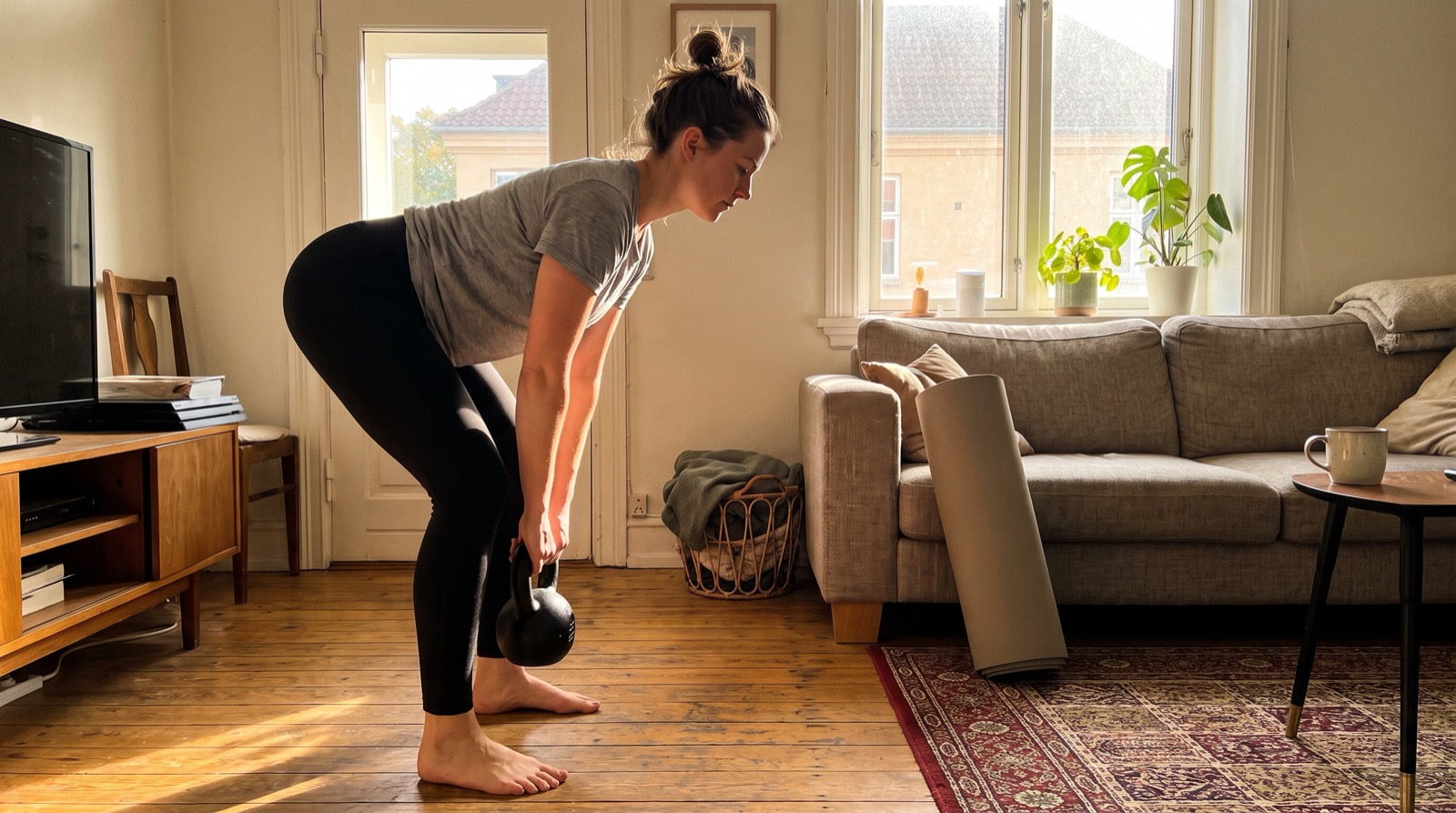
I trained glutes at home three days a week for a year and nothing changed. The programme was fine. The form was fine. The number on my living room floor stayed at 20 pounds the whole time, and it turned out that was the only variable that mattered.

A year of glute days and nothing to show for it
The average gym membership in America runs $50.03 a month, which is $600.41 a year. I did not want to pay it, and I did not think I had to. Everything I read said the glutes respond to hinging and squatting, and you can hinge and squat in a living room.
So I bought a 20 pound cast iron kettlebell, a set of loop bands, and a twelve week programme. Monday, Wednesday and Friday for a year. Swings, goblet squats, Romanian deadlifts, hip thrusts with my shoulders on the sofa. I did not miss many sessions.
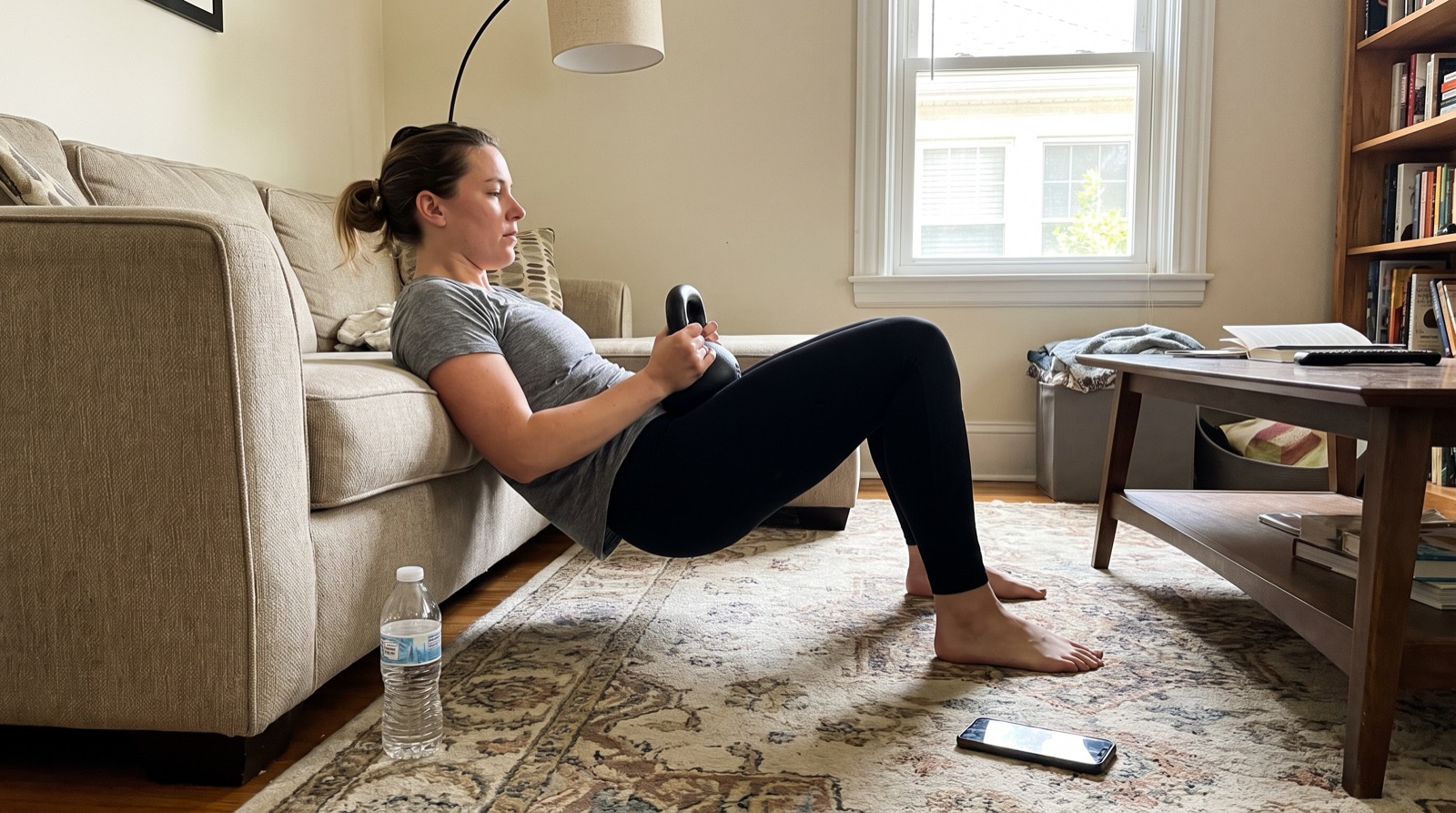
A year later I looked exactly the same.
The explanations I reached for were the usual ones, and I reached for them in this order. My genetics. My form. My protein. My sleep. Then back to my form again, because there are a thousand videos telling you your hinge is wrong and none of them cost anything to watch.
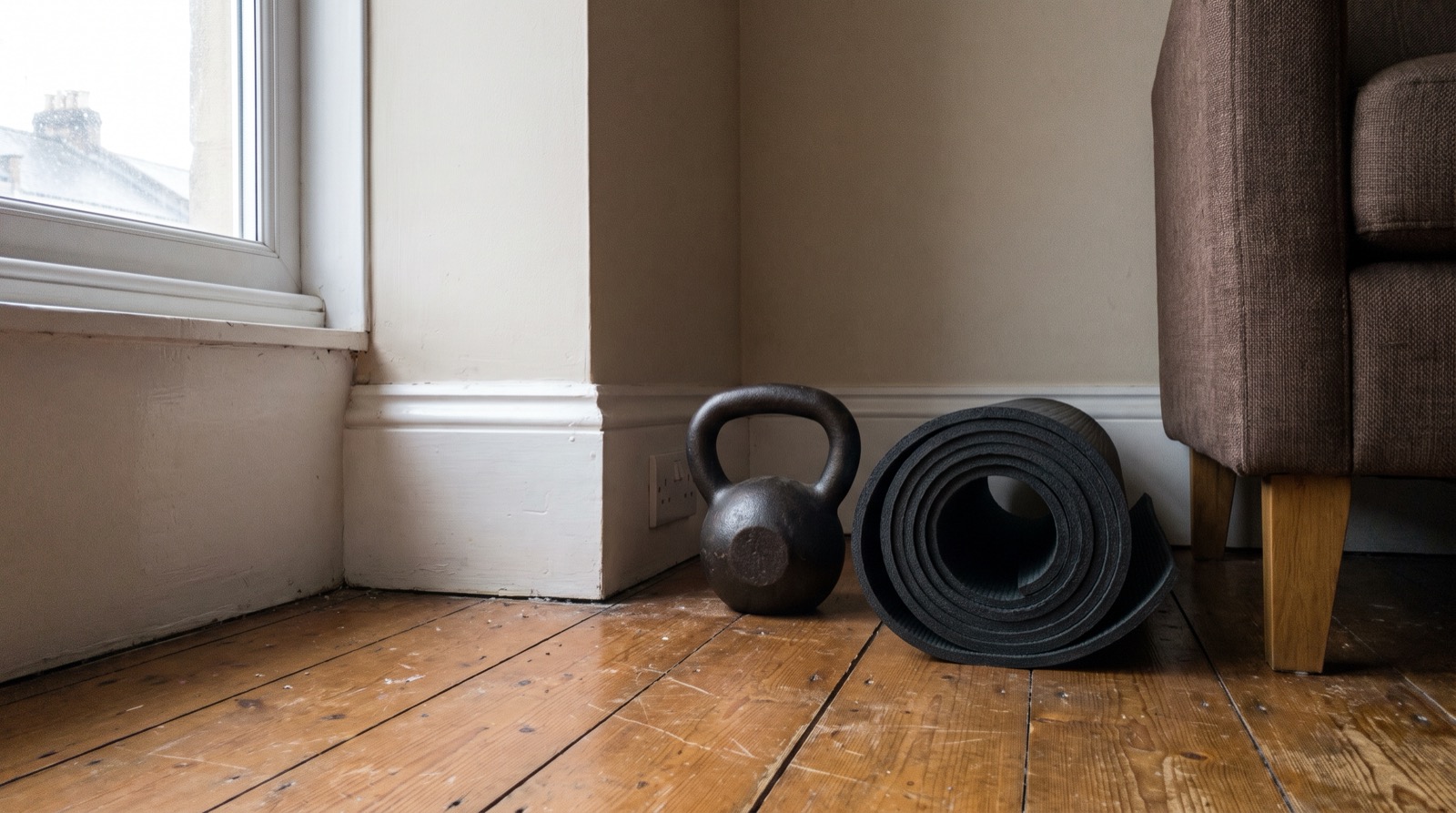
The one thing I never questioned was the 20 pounds. It was the only number in the whole setup that never moved, and I had never once thought of it as a number. It was just the kettlebell.
The four things I tried before I questioned the weight
None of these were stupid. Three of them are things I would still recommend to somebody starting out, and one of them is genuinely better than what I ended up buying, for a specific kind of person. Here is what each one actually bought me.
More reps. This is the fix everyone reaches for and it is not wrong. When researchers put 43 trained lifters through eight weeks of adding reps against eight weeks of adding load, both groups grew about the same amount. Adding reps is real progression. The catch is that it does not move you out of the bottom of the load range, and my sets had already crept to thirty and were ending because I was out of breath, not because my hips were done.
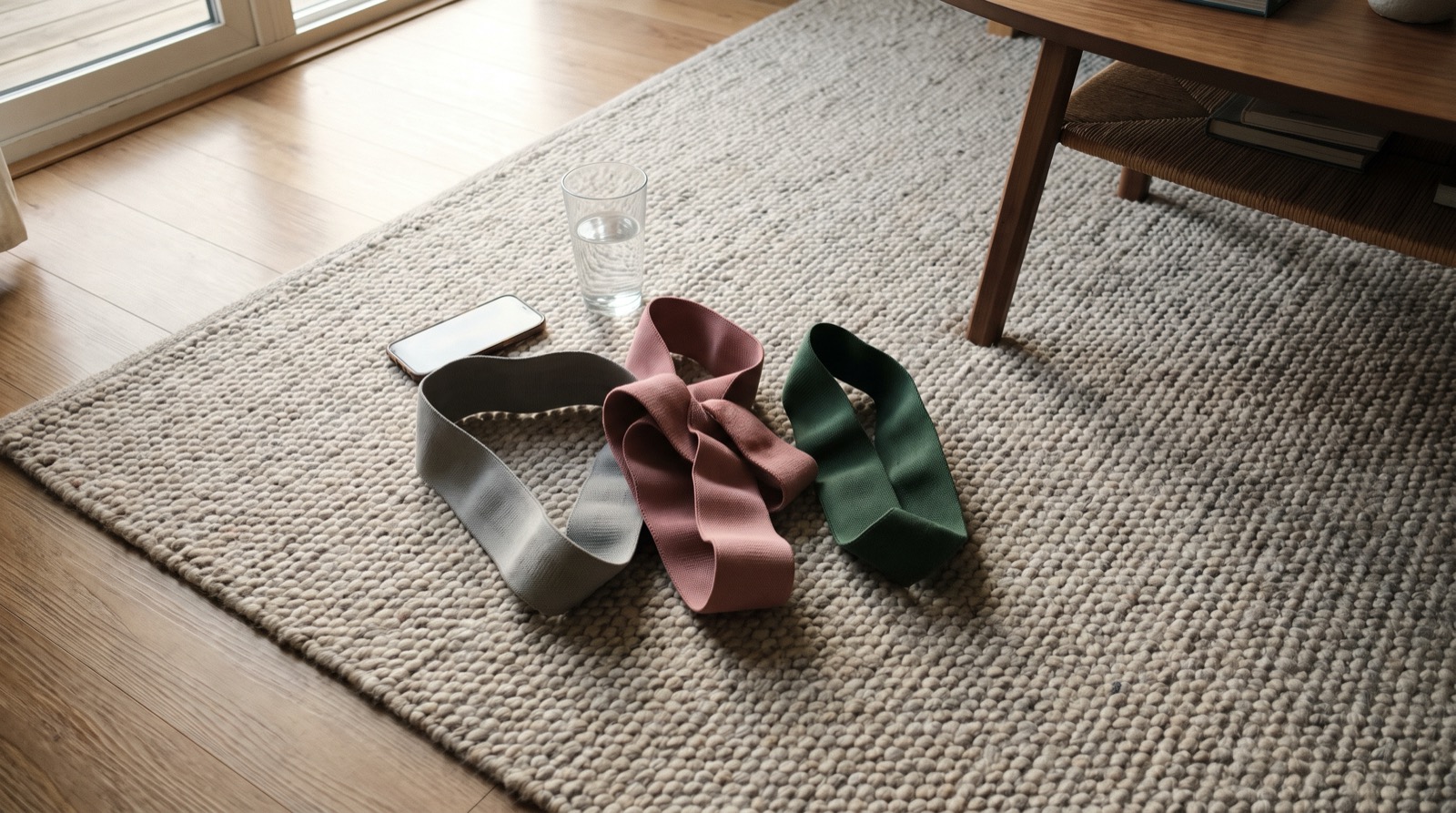
Loop bands. Cheapest thing in this article and the most portable by a mile. Nothing here beats a band for warming up or for training in a hotel room. What a band cannot do is tell you what you lifted. There is no number to write down and no way to add five pounds next week, which makes progression a feeling instead of a fact.
A second, heavier bell. The obvious answer, and it works right up until you need a third. Every jump is a new purchase and a new object on the floor of a flat that did not have room for the first one.
A dial kettlebell. The Bowflex SelectTech 840 is $149 and it wins one thing outright: a weight change takes about two seconds, which is worth more than anything else if your session is a circuit. Six settings, 8 to 40 pounds. The heaviest mainstream selector bell, the PowerBlock Pro, is $349 and runs 35 to 62 pounds. Both are good at what they were built for. Both stop.
That is the part nobody puts on the box. Every adjustable kettlebell advertises how many bells it replaces. Almost none of them lead with where it stops.
What a home setup actually has to get right
Before naming anything I bought, here is the test I wish I had applied a year earlier. Three things, in this order.
One: the load has to get out of the bottom of the range. In 2018 a team published a twelve week trial in the European Journal of Sport Science that trained one limb at 20 percent of a lifter's maximum and the other at 40, 60 or 80 percent, with the total work matched and every set taken to failure. The light limb still grew, and it grew about half as much. Thigh muscle cross section went up 8.9 percent at 20 percent of maximum against roughly 20 percent at all three heavier loads. Arm flexors told the same story, 11.4 percent against about 25.
Two honest caveats before that number does any work. The study ran on 30 men, not women, and it measured a leg press and an arm curl, not a hip hinge. It is the best evidence there is that very light really is different from merely light, and it is not evidence about glutes specifically.
Muscle cross section gained in 12 weeks, work matched, every set to failure
Thigh (vastus lateralis) cross section, Lasevicius et al., European Journal of Sport Science, 2018.
Two: it has to keep climbing for years, because the glutes start high. The gluteus maximus is the largest muscle in the body, and it behaves like it. Strength Level, which holds 224,489 logged female hip thrusts, puts the average female one rep max at 225 pounds and its beginner standard at 78. A hip thrust is not a swing and those numbers will not transfer across, but they set the scale. My 20 pound bell was under a tenth of the average logged max and about a quarter of the beginner mark. It was not a light weight. It was barely a weight.
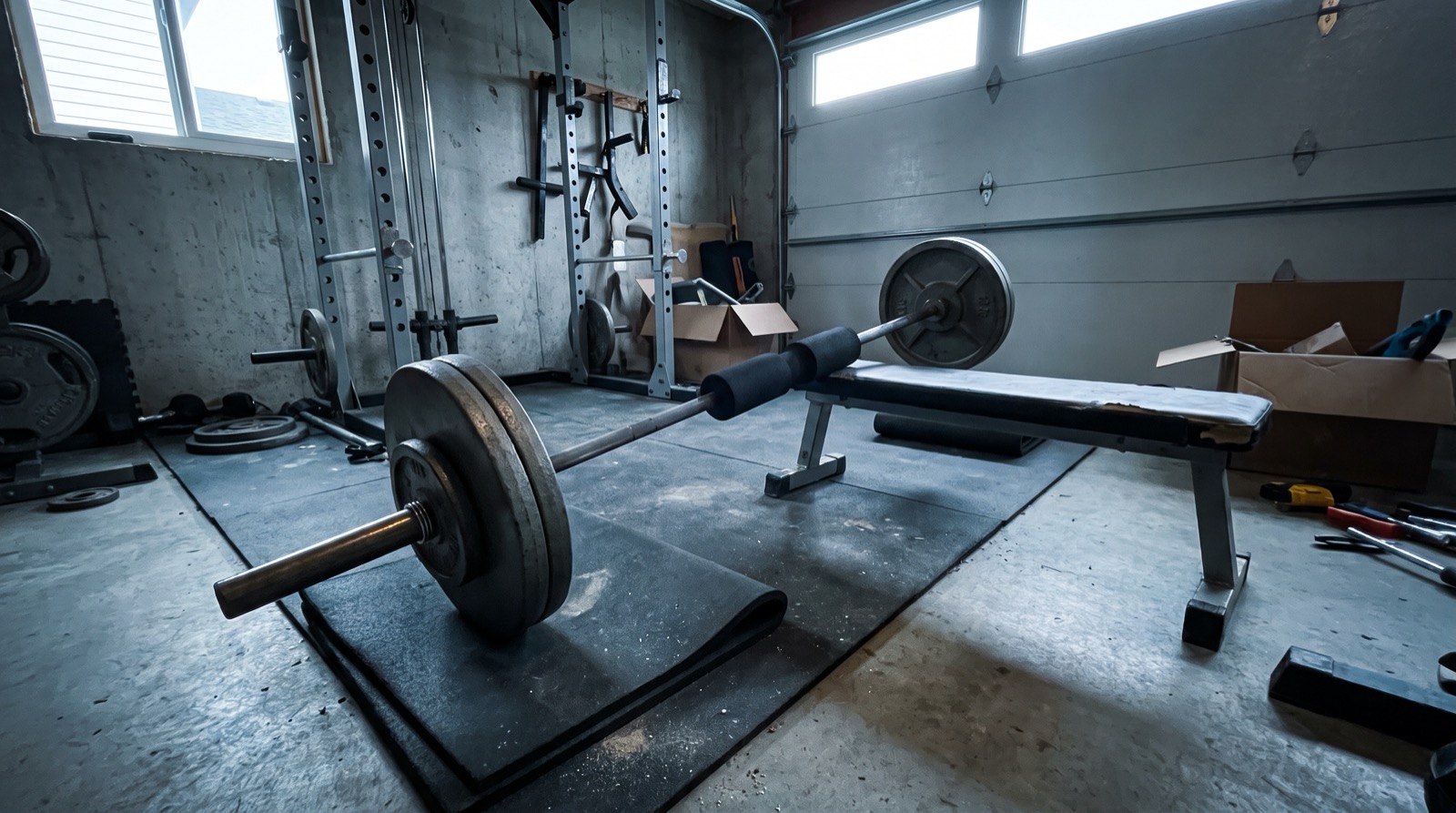
Three: it has to be a hinge you will actually do in a living room. A barbell hip thrust is the best glute exercise there is and it needs a bar, a bench and plates. That is a garage, not a flat. Whatever replaces the gym has to fit next to the sofa or it does not get used, and a piece of kit that does not get used has failed the test no matter how much it can hold.
The handle that fixed the only variable that mattered
The thing that passed all three was not a kettlebell. It was a kettlebell handle that takes your own weight plates, and it is called the Kensui EZ-BELL.

Instead of hiding a stack of iron inside a shell, it clamps plates onto an axle between two round protector shells and locks them with a spin collar. There is no mechanism to outgrow, because the mechanism is not holding the weight. Your plates are.
The verdict
Kensui EZ-BELL
★★★★★ 4.6 from 91 reviews on kensui.com
- PRO, hard nylon shells, holds 100 lb. $49 for a single bell, $95 a pair.
- MAX, steel shells, holds 200 lb. $129 for a single bell, $249 a pair.
- 8 cm of plate space per side, 2 inch Olympic plates only.
- The bare handle weighs 2.3 lb, so the whole range starts lighter than any dial bell.
- 100 day risk free trial.
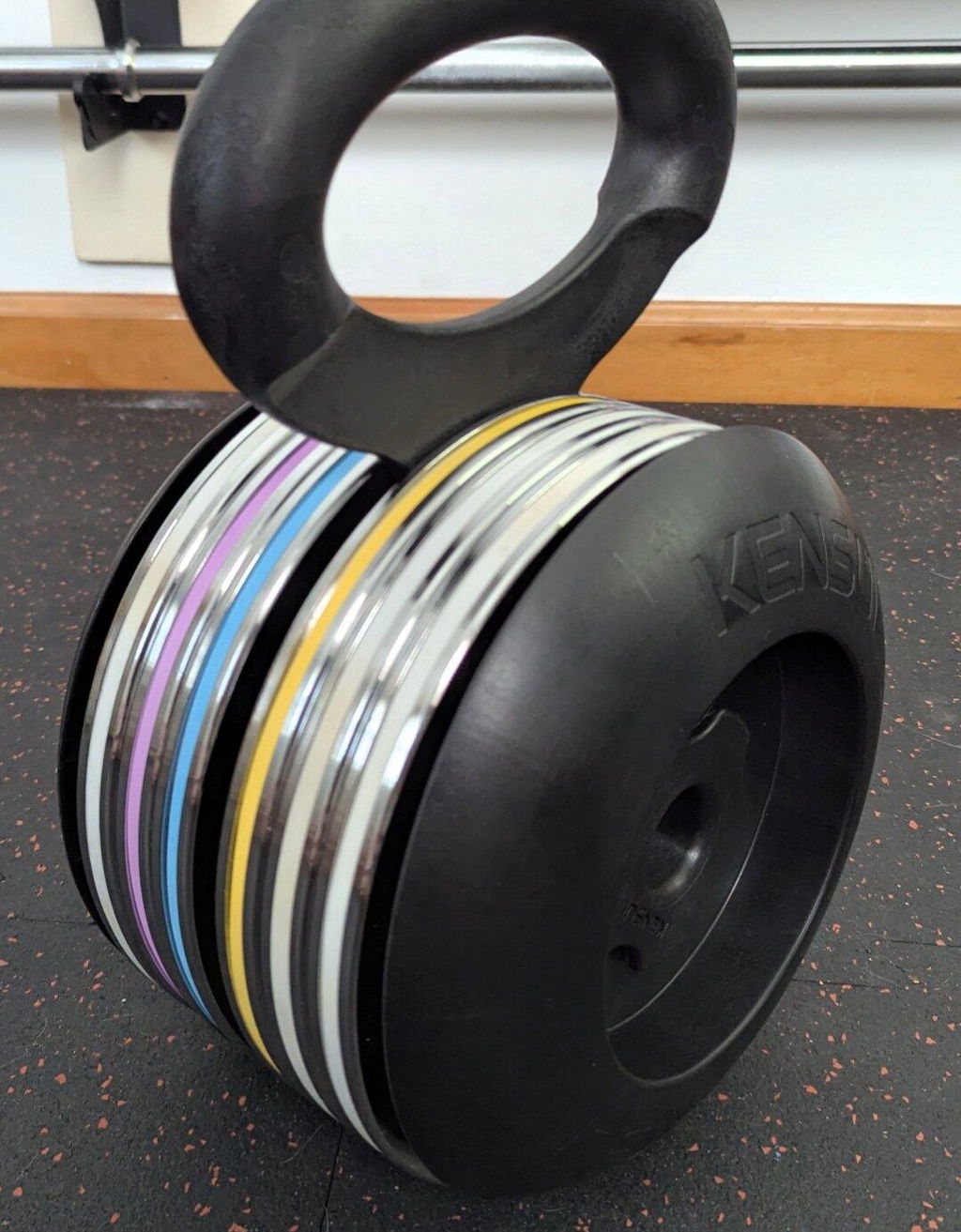
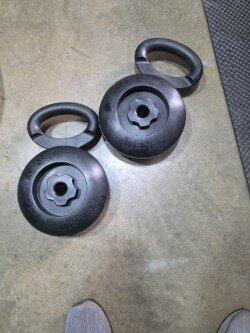
The PRO at $49 holds 100 pounds. To put that in the terms this article has been using, 100 pounds is about 44 percent of the average logged female hip thrust max and comfortably past the beginner standard, which means the ceiling is somewhere out past the point where I stop being the limiting factor. The 20 pound bell I owned is a setting on it, and so is every number above that in whatever increments my plates come in.

What it is actually like to use, including the parts I did not like
Plates load sideways rather than hanging below the handle, so the weight sits close to your hand. In practice that is the difference between a clean that lands and one that swings past you. The round shells cover the plate edges, which matters more than it sounds like it should: in the rack position the thing resting against your forearm is a smooth flat face instead of a plate rim.


Now the honest part. $49 buys you zero pounds. That price is the handle, the shells and the hardware, and nothing else. If you already have an Olympic barbell and a plate tree in the garage, this is the cheapest route to a genuinely heavy kettlebell by a distance. If you own no plates at all, you are buying plates on top, and you should price that total against a complete $149 Bowflex before you decide. For somebody in a flat with no plates and no rack, the Bowflex is the better buy, and I would rather write that than sell you a handle with nothing to put on it.
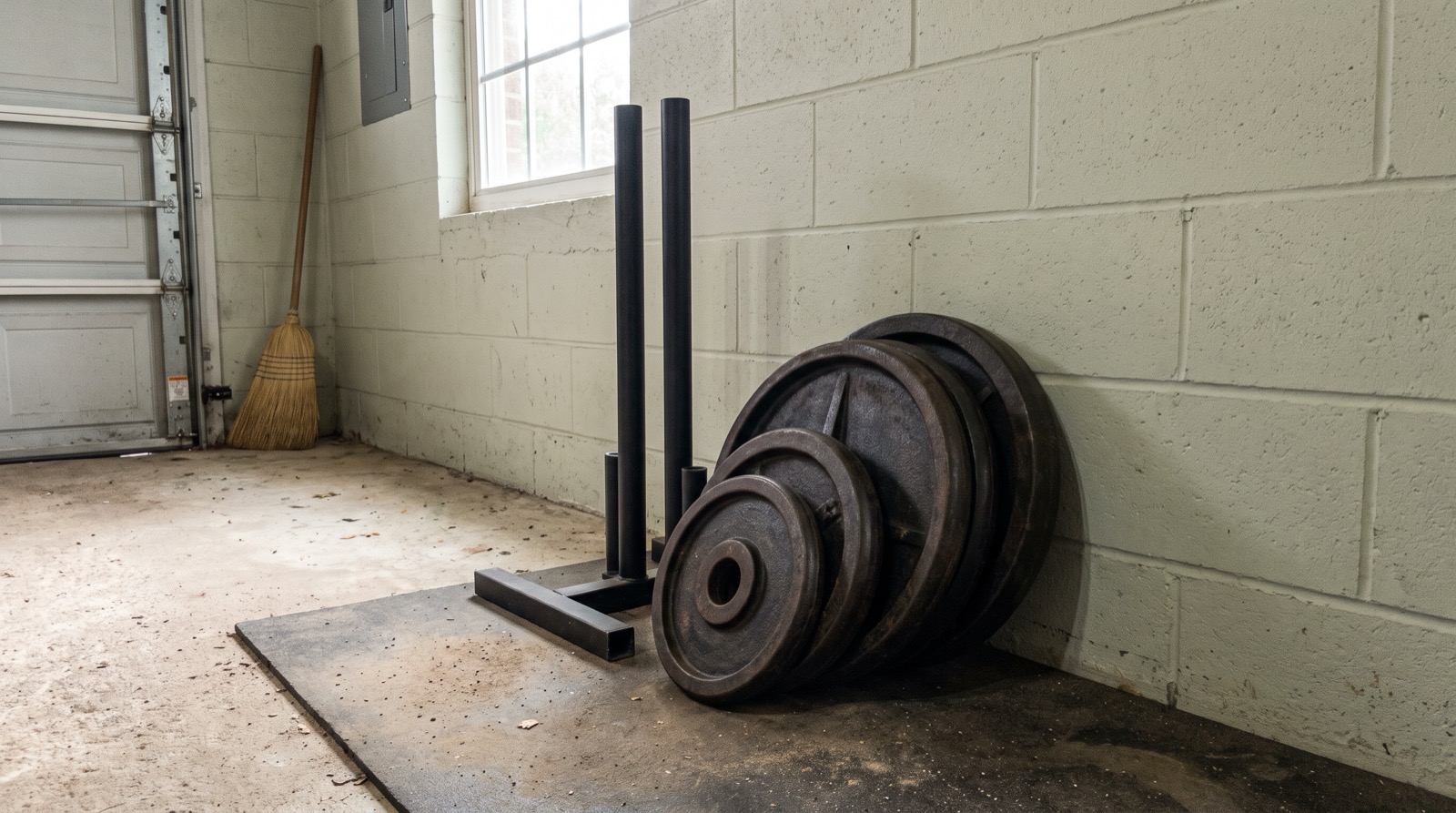
Three more limits worth knowing. The sleeves take 2 inch Olympic plates only, so 1 inch plates will not fit. Each side holds 8 cm of plates, which thin steel plates reach the top of and thick rubber bumpers do not. And changing weight takes real seconds, not the two a dial takes, which is why one reviewer who liked the bells said he saves them for workouts where the weight stays put.
One buyer reported the spin collar loosening during fast overhead work and had to retighten it mid session. It is one report out of 91 and every other review calls the lock solid, but it is the check I would do before a set of snatches.
| Model | Kensui EZ-BELL PRO | Bowflex SelectTech 840 | PowerBlock Pro |
|---|---|---|---|
| Price | $49 | $149 | $349 |
| Weight range | 2.3 lb to 100 lb | 8 lb to 40 lb | 35 lb to 62 lb |
| Plates included | No, you supply them | Yes | Yes |
| Time to change | Under a minute | About 2 seconds | About 5 seconds |
| Cost to go heavier | Plates you may own | Not possible | Not possible |
| Learn More |
What owners say
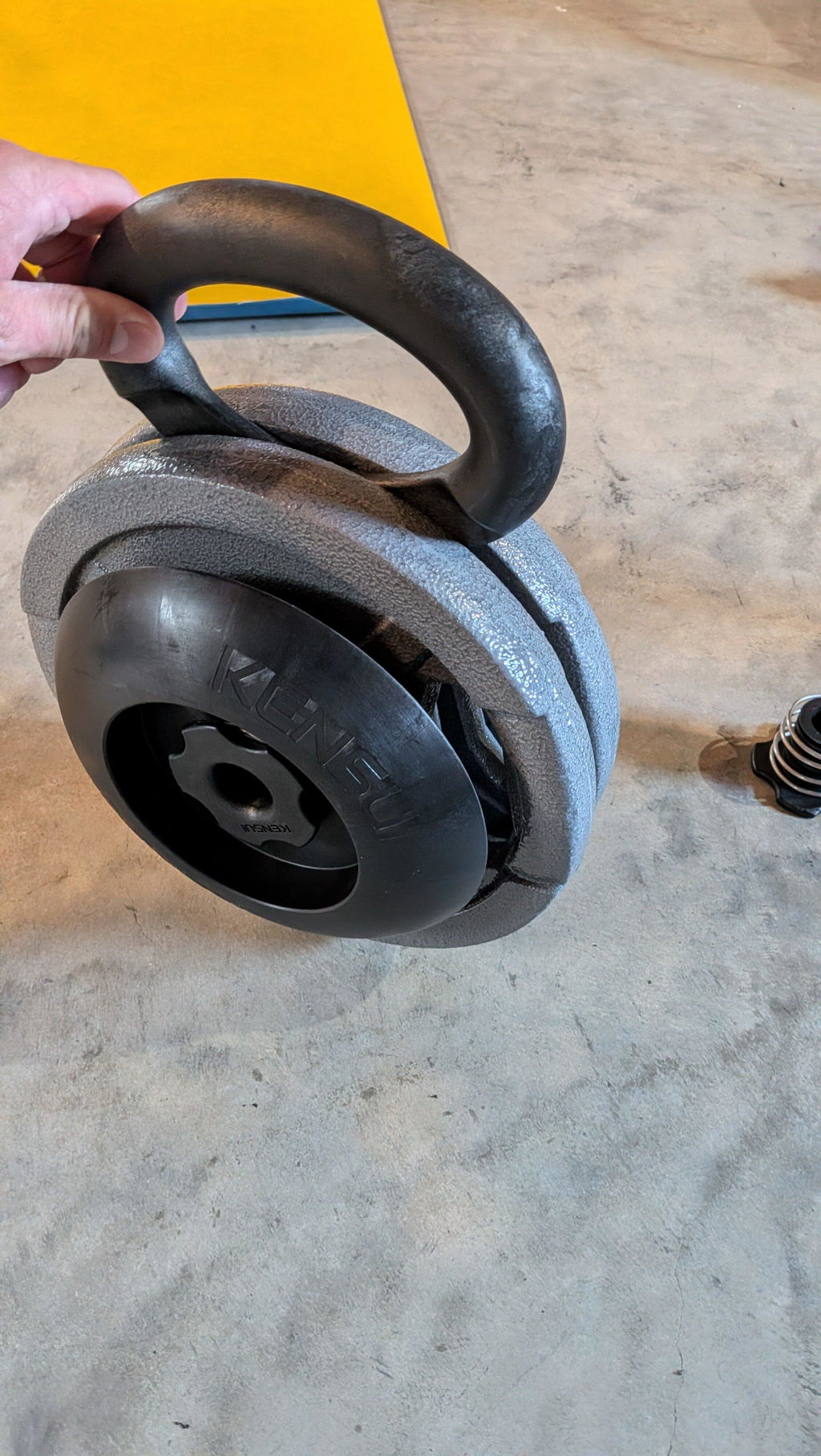
The horizontal loading design gives it a much more balanced feel compared to other adjustable kettlebells I have tried, and the protective shell system makes training significantly more comfortable on the forearms.
The handle is a touch small for heavier weights, but adding weight is easier than with the adjustable dumbbells and it is not hard to get 100 lbs or more on the handle.
Loading and unloading them can be cumbersome but I knew that going in. I really enjoy using them for workouts where I do not have to change the weight at all.
The number on the floor is the one to change
A year of consistent training did nothing for me because the only variable that was allowed to move never moved. The programme was never the problem and neither was my form. If your glute day has looked the same since March, change the weight before you change anything else.
$49 for the handle, 100 pounds of ceiling, 100 days to send it back.
Get the EZ-BELL