Bench Press vs Weighted Push-Ups: Which Builds a Bigger Chest?
The honest answer is that both do, if you load them right. Here is what the research says, and the one tool that makes each movement grow.


Two movements, one chest. The tool you load each one with decides how far it takes you.
Walk into any gym and you will hear the same argument. Bench press is the king of chest day. Push-ups are just a warm-up. Both claims miss what actually grows muscle.
For years the barbell crowd and the calisthenics crowd have gone back and forth over which builds a bigger chest. We trained both hard, read the research, and landed on the same answer every time. The movement matters far less than three things you can control. Nail those and both build serious size. Miss them and neither one does much.
The Barbell Path
Bench press. Maximum load, maximum tension on the pecs.
The Bodyweight Path
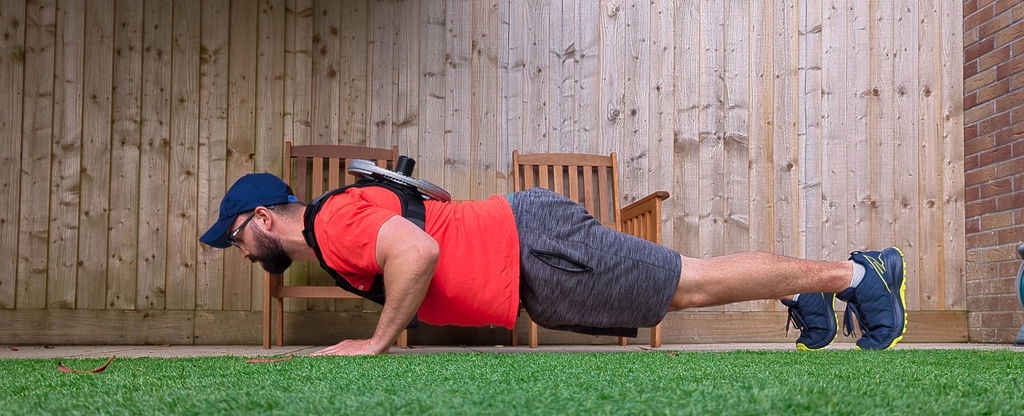
Weighted push-ups. Joint-friendly, and you can train anywhere.
Both grow the same chest. What decides how much is the gear you load them with.
What Actually Builds a Bigger Chest
Your pecs do not know whether you are holding a bar or pushing the floor. Muscle grows for reasons that have nothing to do with the name of the exercise. Four drivers do most of the work.
Mechanical tension
Your chest needs a heavy, challenging load. More tension through a full range means a stronger signal to grow.
Training close to failure
The last few hard reps are where growth is earned. If you stop with five clean reps in the tank, you leave size on the table.
A deep stretch under load
Recent hypertrophy research keeps pointing to the stretched position as one of the strongest triggers for growth. A muscle loaded while it is long builds the most.
Progressive overload
You have to add resistance over time. The day the weight stops climbing is the day your chest stops changing.
Bench press and weighted push-ups can both deliver all four. Here is the catch. Most lifters hit a wall on one specific driver with each movement. Below is where each one shines, and the gear that clears the wall.
The Case for the Bench Press
No chest movement loads heavier than the bench press. You can stack hundreds of pounds on a bar and add weight in tiny steps for years. For raw mechanical tension, nothing else comes close.
One flaw holds it back. A straight bar stops the moment it touches your chest, and that is the exact spot where the stretch matters most. Your pecs never reach their deepest, most loaded position. Every rep quietly cuts off the range that grows the most muscle.
This is the fix. The Kobe Cambered Bar has a 4-inch downward camber, so the bar travels past your chest instead of stopping on it. Your elbows drop lower, your pecs stretch deeper, and you recruit more muscle with the same weight on the bar.

100-day risk-free trial · $229 · Fits the Olympic plates you already own
Bottom line: the bench press with a deeper stretch built in. Same movement you know, more of the growth most lifters are missing.
The Case for Weighted Push-Ups
Push-ups get written off as easy. That is only true while you refuse to add weight. The push-up lets your shoulder blades move freely, spares your joints, and hits a huge stretch at the bottom where the chest is fully lengthened. Loaded properly, it is one of the best chest builders there is.
The wall shows up fast. Bodyweight runs out. Give it a few weeks and you can grind out 30 clean reps, at which point the muscle stops responding because the load never climbs. To keep growing, you have to add resistance the same way you would on a bar.
The EZ-VEST turns push-ups into a loadable lift. It holds standard Olympic plates on your chest and back, up to 300 pounds, and you can add as little as 2.5 pounds at a time. The same progressive overload that builds your bench now works on the floor.
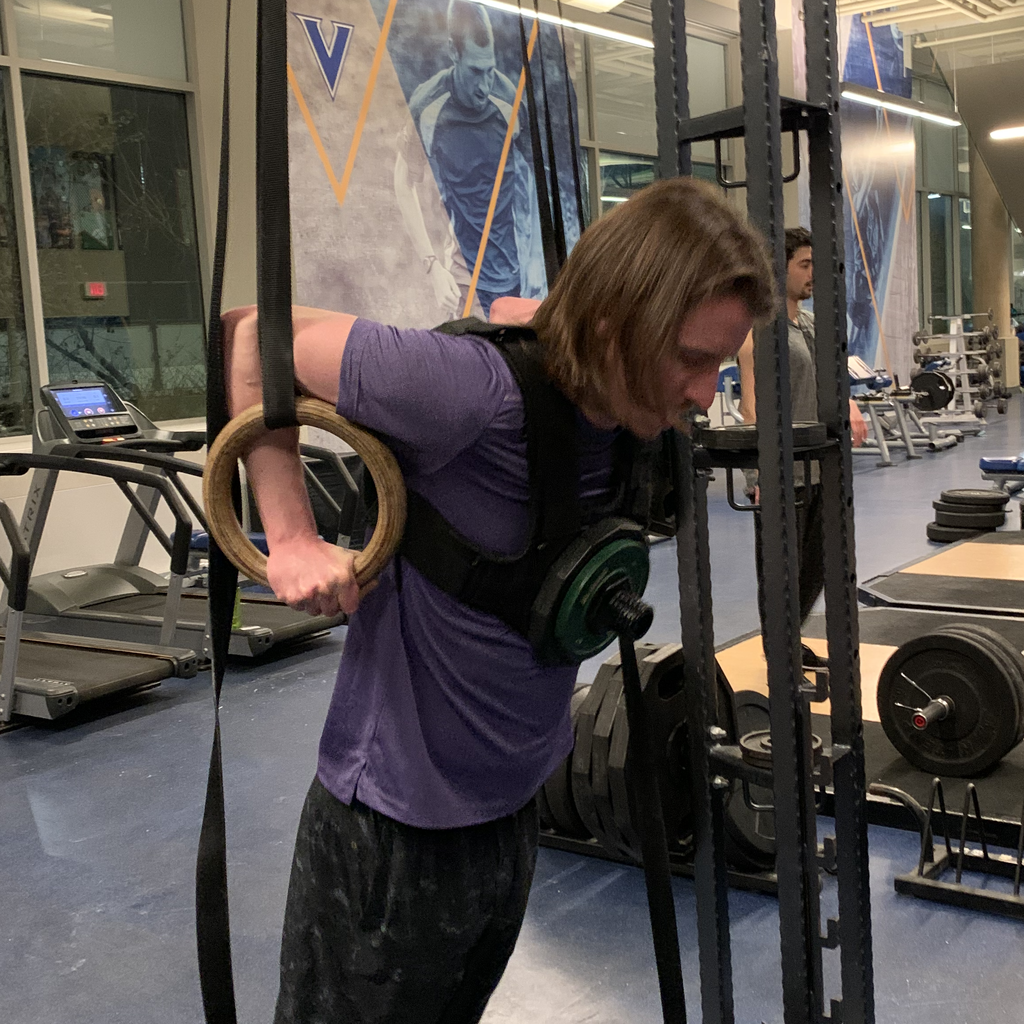


100-day money-back guarantee · From $99 · Loads plates you already own
Bottom line: the movement your joints love, finally loaded like a real barbell lift.
Bench vs Weighted Push-Ups, Head to Head
| Factor | Bench Press (Kobe Bar) | Weighted Push-Up (EZ-VEST) |
|---|---|---|
| Top-end load | Up to 600 lb on the bar | Up to 300 lb on the vest |
| How you progress | Add plates in small steps | Add plates in 2.5 lb steps |
| Stretch at the bottom | Deep, travels past the chest | Deep, chest toward the floor |
| Joint stress | Higher on shoulders under max load | Lower, shoulder blades move freely |
| Setup needed | Rack and bench | Just floor space |
| Best for | Maximum tension and top-end strength | Joint-friendly volume, train anywhere |
So Which Should You Pick?
Here is the part almost no one selling you a program will admit. You do not have to choose. Bench press and weighted push-ups build the same chest through the same drivers. The best pick is simply the one you will load hard and keep loading.
Kensui gear runs on the plates you already own
The EZ-VEST holds a 4.76 out of 5 rating from 1,490+ verified buyers on kensui.com.
Kensui has been covered by Men's Health, GQ, and BarBend.
Pick Your Path
Both load the plates already sitting on your rack. Both back it with a 100-day guarantee.
Free of proprietary weights · 100-day risk-free trial on both
Common Questions
Do I really need both?
No. Pick the one that fits your setup and train it hard, since both build the chest through the same drivers. Plenty of lifters run both because a heavy bench and loaded push-ups complement each other well.
Can push-ups build a chest as big as the bench?
Yes, once you load them. A push-up with 90 pounds strapped on is a heavy press. The vest lets you keep adding weight so the movement never stops challenging your chest.
Is a cambered bar safe to bench alone?
It is. The Kobe is rackable and drops onto standard J-hooks like any barbell. Start lighter than your straight-bar bench, because the deeper range of motion is genuinely harder.
What plates do these use?
Both take standard Olympic plates you likely already own. The bar has a 30 mm shaft with 9-inch sleeves, and the vest loads Olympic 2-inch and standard 1-inch plates.
Prices, capacities, and availability are accurate as of publication and may change. Always confirm current details on kensui.com.